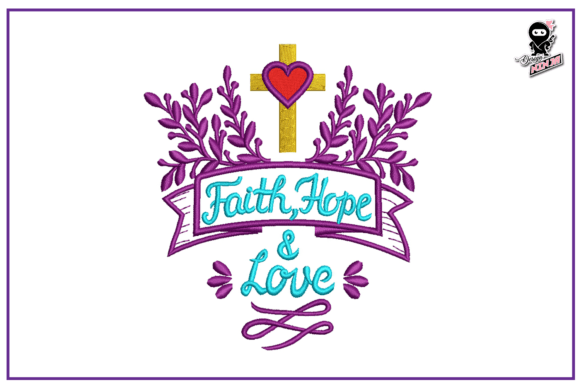
Faith Hope Love Embroidery: A Designer’s Craft Fair Review
As an embroidery designer who has spent countless weekends behind a booth table, I know that not every design translates from screen to sales. When I first loaded the Faith Hope Love, Christian Embroidery file into my software, I wasn’t just looking at stitches; I was visualizing my next best-selling craft fair product. This review breaks down how this specific machine embroidery design performs in the real world of handmade markets, focusing on what actually moves inventory.
First Impressions: Timeless Appeal for Modern Buyers
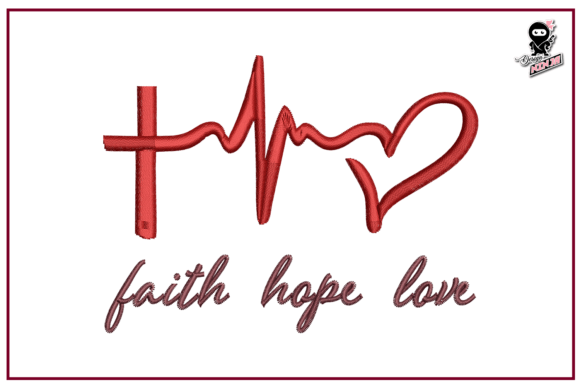
The phrase "Faith, Hope, Love" is a cornerstone of Christian messaging, but in the crowded marketplace of Religion-themed goods, execution is everything. My initial assessment of this design suggests a balance between traditional sentiment and modern aesthetic. It does not feel overly ornate or dated. Instead, it leans toward a clean, readable style that fits seamlessly into the current farmhouse and minimalist trends dominating boutique shelves.
For a small shop product, clarity is king. Customers walking past a busy booth need to understand the message within three seconds. This design achieves that. It feels premium rather than cheap, which is crucial when you are asking buyers to pay for the perceived value of a handmade product. The typography appears sturdy, suggesting it will hold up well without looking fragile or lost in the fabric.
Product Versatility: Where This Design Shines
The true test of any digital embroidery file is its adaptability. I evaluated how Faith Hope Love, Christian Embroidery would look across various popular items found in my typical booth setup.
- Tote Bags: This is likely your highest volume seller. A large center placement on a canvas tote creates a bold statement piece. The tote bag design potential here is high because the text is legible from a distance, attracting foot traffic.
- Aprons and Tea Towels: For kitchenware, this design works beautifully as a focal point. Apron embroidery benefits from designs that are durable and washable. Similarly, tea towel embroidery requires a design that isn’t too dense, ensuring the towel remains absorbent and soft.
- Embroidered Patches: If you offer patches, this design could be scaled down effectively. An embroidered patch with this message appeals to customers who want to customize their own jackets or bags later, extending the life of your design assets.
- Caps and Hats: Curved surfaces are tricky. While possible, ensure the design width fits standard cap hoops. If the lettering is too wide, it may distort on the curve.
Production Practicality for the Busy Maker
When preparing for a craft fair, efficiency is vital. You cannot spend twenty minutes hooping and trimming every single item. This design appears to be structured for reasonable production speed. However, as an experienced maker, I always advise checking the stitch density before running a full batch.
If the thread colors chosen are high-contrast against the fabric, the design pops. For example, white thread on navy blue or cream thread on sage green creates a sophisticated look that elevates the perceived price point. Conversely, low-contrast combinations might make the text hard to read, reducing its impact as a finished product.
Photography is another critical factor. For Etsy seller accounts, this design photographs well because of its clear lines. Creating a printable mockup or using actual staged photos for your online listings will help customers visualize the quality. The clean lines reduce visual noise in photos, making your commercial embroidery listings look professional and trustworthy.
Careful-Use Notes and Technical Considerations
While the design is strong, there are technical pitfalls to avoid. Always consider the fabric texture. Thick, textured towels can swallow small details. If this design includes fine serifs or tiny connecting stitches, they may get lost in plush terry cloth. In such cases, opt for smoother fabrics like cotton twill or linen blends.
Dark fabrics require careful planning. If you are stitching on black or dark denim, ensure you use a bright underlay or choose thread colors that stand out. Additionally, check the hoop size requirements. If the design is large, you may need a 5x7 or larger hoop. Confirm this in the file details before purchasing or producing.
Stabilizer choice is non-negotiable. For stretchy fabrics like tote bags or apparel, use a cut-away stabilizer to prevent puckering. For stable woven fabrics like tea towels, a tear-away may suffice, but always test first. A puckered handmade product looks amateurish and will not sell, regardless of how beautiful the design concept is.
Enhancing Brand Consistency and Buyer Engagement
Using Faith Hope Love, Christian Embroidery consistently across your product line builds brand recognition. If a customer buys a tote bag, seeing the same high-quality stitching on a matching pouch reinforces trust. This consistency turns a one-time buyer into a repeat customer.
In a booth setting, this design serves as an anchor. It communicates values immediately. Customers who resonate with the message are more likely to engage in conversation, allowing you to upsell other items. It acts as a filter, attracting your ideal demographic while repelling those who are not interested, which saves you time and energy during busy market days.
Final Designer Recommendations
Before you commit to mass production, follow these steps:
- Test on Scrap Fabric: Never run a new design directly on final product material. Test on similar weight and weave to check for registration issues.
- Check Commercial Licensing: The description mentions it is perfect for projects, but always confirm the license terms. Ensure you have the right to sell finished products made with this embroidery file.
- Verify File Formats: Ensure the download includes the format compatible with your machine (PES, DST, JEF, etc.). The description does not list specific formats, so check the product page details carefully.
- Create Real Mockups: Stitch one sample item for your display. A physical sample sells better than a digital image because customers can touch and feel the quality.
In conclusion, Faith Hope Love, Christian Embroidery is a versatile and commercially viable option for makers. It balances sentimental value with modern design sensibilities. By paying attention to fabric choice, stabilizer, and presentation, you can turn this digital asset into a standout craft fair product that resonates with buyers and boosts your bottom line.