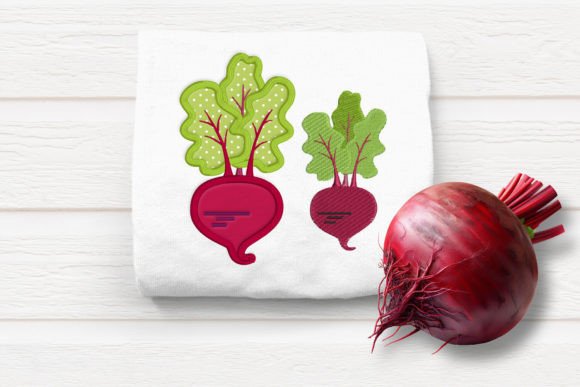
Review: Beet Applique and Embroidery Design
As a designer who spends more time staring at stitch previews than actual fabric, I have learned that the difference between a charming handmade item and a professional-grade product often comes down to the design file itself. Recently, I pulled up Beet Applique and Embroidery to evaluate its potential for a upcoming line of kitchen-themed textiles. What struck me immediately was not just the subject matter, but the thoughtful structural approach taken by the digitizer. This is not merely a graphic converted into stitches; it is a functional asset designed for real-world application.
The first impression of this machine embroidery design is one of playful sophistication. Beets are inherently rustic, evoking images of farm-to-table dining and earthy wellness trends. However, the visual personality here balances that rustic charm with clean, modern lines. The shape is recognizable without being overly complex, which is crucial for maintaining stitching clarity on various fabric textures. Whether you are aiming for a whimsical look on a child’s item or a sleek accent on adult apparel, the layout feels versatile.
Real-World Application: From Mockup to Market
To truly test a design, you have to imagine it in a specific context. I envisioned using Beet Applique and Embroidery for a custom embroidered tote bag intended for a local farmer’s market vendor. The goal was to create a durable, eye-catching piece of merchandise that would survive frequent washing while retaining its visual appeal. In this scenario, the design’s dual nature becomes its strongest asset.
For the smaller iterations of the design, the all-embroidery approach works beautifully on items like tea towels or baby clothes. The fill stitches provide enough density to stand out against cotton or linen, creating a tactile surface that customers love to touch. However, when scaling up for a sweatshirt or a larger pillow cover, the transition to applique in the largest five sizes is a smart move. Applique reduces bulk and stitch count, preventing the garment from becoming stiff or heavy. This distinction shows a deep understanding of how stitch density impacts the drape and comfort of the finished product.
If you are an Etsy seller or run a small shop product line, this versatility allows you to offer the same motif across different price points and product types. You can use the smaller, fully stitched versions for delicate personalized gift items like burp cloths or handkerchiefs, and the larger applique versions for bold custom apparel or home decor. This consistency helps build brand recognition while optimizing production time.
Navigating Fabric and Hoop Constraints
While the design is robust, practical experience dictates that we must consider where it might struggle. Any experienced embroiderer knows that curved surfaces, such as caps or hats, require careful planning. If you plan to use this as an embroidered patch or directly on a cap, ensure you are using the appropriate hoop size and stabilizer. The rounded edges of the beet shape are generally forgiving, but tight curves can sometimes cause puckering if the tension is not balanced correctly.
Additionally, consider the background. On dark fabrics, the contrast of your thread colors becomes critical. A deep purple beet on a navy shirt might get lost unless you use a satin stitch border or a light-colored outline to define the edges. Conversely, on thin or stretchy fabric, the denser fill stitches in the smaller sizes could cause distortion. Always test the design on scrap fabric first. This step is non-negotiable for maintaining professionalism and ensuring customer trust.
For those interested in holiday embroidery or seasonal collections, beets fit surprisingly well into autumn and winter themes. They pair nicely with root vegetables, herbs, and harvest motifs. However, avoid placing the design too close to seams or zippers, as the hoop pressure required for larger sizes might distort the surrounding area of the garment.
Visual Appeal and Commercial Value
From a business perspective, Beet Applique and Embroidery offers strong commercial value. Food-themed designs are perennial bestsellers in the craft community because they resonate with a wide audience. They are safe yet interesting, making them ideal for boutique branding or gift items. The clean execution of this design means it looks professional in printable mockup previews, which is essential for digital product sellers who need to attract buyers online before the item is even stitched.
The inclusion of both applique and fill versions in one package is a significant benefit for creative entrepreneurs. It saves time searching for complementary files and ensures visual consistency across your catalog. When customers see a cohesive look between a small baby onesie and a large kitchen apron, it reinforces the perception of quality and attention to detail. This consistency drives buyer engagement and can lead to repeat customers who trust your design assets.
Practical Notes for the Digitally Savvy Stitcher
Before you load this digital embroidery file into your machine, take a moment to review the technical specifics. The product description notes that there are 8 formats and 9 sizes available. This variety is excellent for compatibility with most major machine brands, but always double-check that your specific model supports the format you choose.
- Check Stitch Density: For the smaller, all-embroidery sizes, ensure your stabilizer is sufficient to handle the fill stitches without tearing or shifting.
- Thread Contrast: Experiment with thread colors. While traditional beet colors are deep reds and purples, trying unexpected palettes like teal or mustard can make your handmade product stand out in a crowded market.
- Applique Fabric Choice: For the larger sizes, select an applique fabric that complements the base material. A textured linen applique on a smooth cotton tote adds depth and interest.
- Licensing Verification: Always confirm the licensing terms provided with the file. Ensure you are compliant with rules regarding selling finished items versus redistributing the digital file itself.
In conclusion, Beet Applique and Embroidery is a well-digitized, versatile tool for any serious maker. It respects the limitations of the medium while maximizing aesthetic impact. Whether you are creating a single personalized gift for a friend who loves gardening or stocking your craft business with a new line of kitchen textiles, this design holds up under scrutiny. It is a reminder that good embroidery is not just about putting thread on fabric; it is about making thoughtful choices that enhance the final object. Use it wisely, test it thoroughly, and let the natural charm of the design do the work for you.