Review: Best Grandma Ever Embroidery Design
As a designer who spends more time analyzing stitch paths than browsing social media, I approach every new machine embroidery design with a healthy dose of skepticism. We have all seen the cluttered, over-digitized files that promise charm but deliver puckered fabric and broken needles. So, when I pulled up the Best Grandma Ever, Family Embroidery file for a test run, my goal was not just to see if it stitched out, but to determine if it held up under the scrutiny of a paying customer.
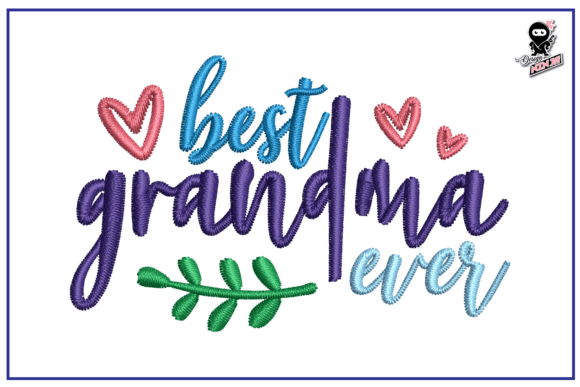
The first impression is crucial. This design does not scream for attention with excessive complexity. Instead, it offers a warm, inviting aesthetic that feels authentic to the Grandparents niche. The layout balances text and graphical elements in a way that suggests professionalism without losing that handmade heart. For an Etsy seller or a boutique owner, this distinction matters. Customers are increasingly savvy; they can spot a low-quality digital asset from a mile away. This design, however, presents itself as a premium design asset ready for commercial use.
Real-World Application: The Tote Bag Test
To truly evaluate the Best Grandma Ever, Family Embroidery pattern, I moved beyond the screen and into the studio. My test subject was a heavy-weight cotton canvas tote bag, a popular item for holiday gifts and everyday use. I chose this fabric because its weave can be unforgiving to poor digitizing. If the stitch density is too high, the fabric warps. If it is too low, the backing shows through.
I hooped the material with a medium-weight cut-away stabilizer, ensuring the tension was even. As the machine began its work, I watched the needle closely. The design utilizes a mix of satin stitch for the lettering and finer details, paired with fill stitch areas for any graphical components. The transition between these stitch types was smooth. There were no unnecessary jumps or messy trims that would require excessive post-production cleanup. For a craft business owner, time is money. A design that stitches cleanly reduces labor costs significantly.
The result on the tote was striking. The text remained legible and crisp, even from a distance. The visual personality of the piece felt celebratory yet understated, making it suitable not just for a birthday, but for Mother’s Day, Christmas, or a simple "just because" personalized gift. It did not look like a mass-produced import; it looked like a thoughtful handmade product.
Versatility Across Product Lines
One of the strongest attributes of this embroidery file is its adaptability. While it shone on the tote, I mentally projected its performance across other common embroidery project categories.
- Sweatshirt Embroidery: On fleece or French terry, the design would need careful stabilization to prevent sinking. However, the bold lines of the text suggest it would hold up well against the textured background of a cozy hoodie.
- Baby Embroidery: For onesies or burp cloths, the scale might need adjustment. If the design includes small details, they could get lost on tiny garments. It is essential to check the minimum recommended hoop size before scaling down.
- Embroidered Patch: This design translates beautifully to patches. The clear outlines make it ideal for creating iron-on or sew-on badges that customers can apply to jackets or bags later.
- Kitchen Textiles: Imagine this on a flour sack towel or an apron. The theme fits perfectly here, adding a touch of warmth to functional home decor.
For those selling custom apparel, this design offers a reliable staple. It is not so trendy that it will feel dated in six months, nor is it so generic that it lacks character. It strikes a balance that supports brand consistency for small shop products.
Technical Considerations and Pitfalls
No design is perfect for every scenario. When working with Best Grandma Ever, Family Embroidery, there are specific situations where caution is required. If you are stitching on dark fabric, ensure your thread colors provide sufficient contrast. A light thread on black cotton requires precise tension settings to avoid shadowing.
Additionally, consider the fabric texture. Highly textured materials like terry cloth or thick wool can obscure fine details. If the design relies on thin running stitch outlines, these may disappear into the pile of the fabric. In such cases, increasing the stitch width slightly or choosing a smoother fabric base is advisable.
Curved surfaces, such as caps or hats, present another challenge. The design must be centered perfectly, and the stabilizer must be robust enough to handle the curve without shifting. If you are new to cap embroidery, practice on scrap fabric first. Do not risk a client’s expensive headwear on a first attempt.
Enhancing Perceived Value
From a business perspective, the quality of your digital embroidery file directly impacts customer trust. A clean, professional finished product encourages repeat buyers and positive reviews. When a customer receives a sweatshirt with crisp, well-defined lettering, they perceive higher value. They are more likely to share photos on social media, providing free marketing for your commercial embroidery services.
This design supports that level of professionalism. It avoids the common pitfall of overly dense stitching that makes garments stiff and uncomfortable. Comfort is key for wearable items. If a holiday embroidery gift feels like cardboard, it ends up in the back of the closet. This design prioritizes wearability alongside aesthetics.
Practical Designer Notes
Before you list this as a printable mockup or start stitching your inventory, follow these steps:
- Test on Scrap Fabric: Always run a test stitch on the same type of fabric you intend to sell. Check for puckering or thread breaks.
- Check Thread Contrast: View your design in black and white on your computer screen. If the details vanish in grayscale, they may lack definition in real life.
- Verify Licensing: Ensure you understand the terms of use. Can you sell the physical items? Can you resell the digital file? Most designers allow sale of finished goods but prohibit redistribution of the applique design or source file.
- Inspect Small Details: Zoom in on the digitizing software. Look for overlapping stitches or unnecessary nodes that could cause thread bunching.
- Stabilizer Selection: Match your stabilizer to your fabric. Cut-away for stretchy knits, tear-away for stable wovens.
In conclusion, Best Grandma Ever, Family Embroidery is a solid addition to any designer’s library. It respects the craft, honors the recipient, and supports the creator’s bottom line. Whether you are decorating clothing, home decor, or gifts, this design brings creativity and reliability to your workflow. It is a tool that, when used with skill and care, can elevate your small business merchandise from amateur to artisan.