Review: Foam Finger 1 Applique for Boutique Sweatshirts
As an embroidery designer who has spent years refining digitizing techniques for small clothing brands, I approach every new machine embroidery design with a critical eye. It is not just about whether the file runs; it is about how the final piece feels in the hand and looks on the rack. Recently, I evaluated the Foam Finger 1 Applique Embroidery for a potential addition to a limited-edition sweatshirt drop for a local boutique brand. The goal was simple: create a playful yet premium sports-themed apparel line that appeals to casual fans and fashion-forward customers alike.
First Impressions and Design Aesthetic
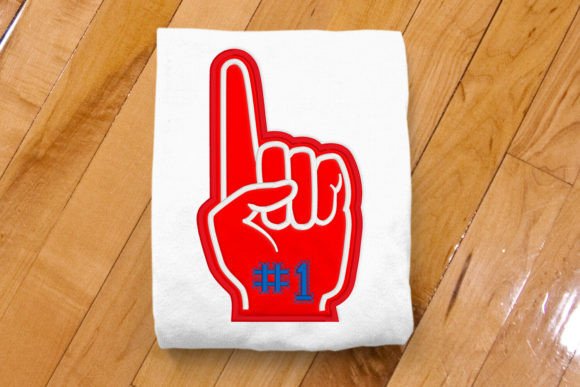
The concept behind this design is instantly recognizable. We all know the energy of a stadium crowd, and the foam finger is a universal symbol of team pride. This specific embroidery file captures that spirit with a clean, bold aesthetic. The layout features the iconic hand shape with a prominent “1” at the bottom, making it clear and readable even from a distance. For a boutique setting, this clarity is crucial. Busy or overly complex designs can get lost on textured fabrics, but the strong silhouette of this applique ensures high visual impact.
The mood of the design leans heavily into playful and bold territory. It is not minimal in the sense of being sparse, but it is minimal in its execution, relying on solid shapes rather than intricate shading. This makes it versatile. It feels casual enough for game day but structured enough to be considered a decorative element on a high-quality garment. When I reviewed the digital preview, the stitch paths appeared logical, suggesting a smooth run time which is essential for commercial production efficiency.
Application on Premium Sweatshirts and Hoodies
The true test of any sweatshirt embroidery design is how it interacts with heavy, cozy fabrics. I imagined this design placed on a variety of blanks. On neutral sweatshirts, such as heather grey or oatmeal, the design pops when paired with contrasting thread colors. For dark fabric options like navy or black, using bright white or vibrant team-color threads for the border stitching creates a striking outline that defines the shape against the deep background.
Pastel colors offer a different vibe. Placing this design on a soft pink or mint green oversized hoodie transforms it from a purely sports-centric item into something cute and feminine. It bridges the gap between athletic wear and lifestyle apparel. The applique technique is particularly beneficial here because it reduces the amount of direct stitching on the fabric. This prevents the "stiff patch" feeling that customers often dislike on thick fleece. Instead, the fabric of the applique itself provides the texture, while the satin stitch border adds a polished, professional finish.
For sleeve accents, the smaller sizes included in the package would work beautifully. A small foam finger on the cuff or upper arm adds a subtle detail that encourages closer inspection. For back designs, the larger sizes allow for a statement piece that serves as the focal point of the garment. This versatility makes it a valuable asset for any custom apparel line looking to maximize the utility of a single purchase.
Technical Considerations for Production
From a technical standpoint, there are several factors to consider before running this design on your machine. Since this is an applique, the choice of fabric for the finger itself matters. Felt is a common choice because it does not fray, but for a more premium look, I recommend using a high-quality cotton or twill that matches the weight of the sweatshirt. This ensures the finished product feels cohesive.
Stitch density is another critical factor. While the description does not provide exact stitch counts, applique designs generally have lower density in the fill areas since the fabric covers the base. However, the satin stitch borders must be dense enough to hold the applique fabric securely without being so tight that they pucker the underlying sweatshirt material. Testing on a scrap piece of your actual blank is non-negotiable. Pay close attention to the stabilizer choice. A cut-away stabilizer is usually best for stretchy sweatshirt fabrics to maintain shape after washing, while a tear-away might suffice for woven jackets.
Readability at small sizes is also a concern. The “1” at the bottom needs to remain distinct. If you are using the smallest size for a pocket placement or sleeve, ensure that the resolution of the digitizing holds up. Blurred numbers can look unprofessional. Always check the hoop size compatibility with your machine. The inclusion of five sizes suggests flexibility, but you must match the hoop to the design size to avoid re-hooping errors.
File Formats and Compatibility
One of the strongest selling points for this product is the range of formats provided. The zip file includes DST, EXP, HUS, JEF, PEC, PES, and VP formats. This broad compatibility means that whether you are running an older Brother machine, a modern Janome, or a multi-needle commercial setup, you likely have a native format ready to go. This saves time on conversion, which can sometimes alter stitch paths unintentionally. For an Etsy seller or small shop owner, having these files ready ensures you can fulfill orders quickly without technical delays.
Brand Value and Market Appeal
Incorporating a design like Foam Finger 1 Applique Embroidery into your collection can significantly enhance brand identity. It signals that your brand understands pop culture and sports enthusiasm. For a boutique brand, this helps build customer engagement. Fans love to show off their loyalty, and a well-made, embroidered item feels more valuable than a printed tee. It becomes a keepsake rather than just clothing.
When creating printable mockup previews for your online store, this design offers great visual opportunities. Show it on a model holding a coffee cup, or layered under a denim jacket. These lifestyle images help buyers visualize the product in their daily lives. The handmade presentation of embroidery adds a layer of trust. Customers perceive embroidered items as higher quality and more durable, which can justify a higher price point for your small shop product.
Washing durability is a key concern for any commercial embroidery project. Because the applique is stitched down with a secure border, it should withstand regular washing if cared for properly. Advise your customers to wash inside out and avoid high heat drying to preserve the vibrancy of the thread colors and the integrity of the fabric texture.
Final Verdict for Designers
The Foam Finger 1 Applique Embroidery is a solid choice for designers looking to add a fun, spirited element to their apparel lines. It balances playful energy with professional execution. Whether you are creating merchandise for a local team, designing for a sports-themed event, or simply adding a trendy graphic to your seasonal hoodie collection, this design delivers. Remember to always verify the specific stitch count and recommended hoop sizes in the included documentation before starting your production run. With the right fabric choices and stabilizer setup, this design can become a standout bestseller in your digital embroidery file library.