Reviewing 123 Embroidery Design for Small Business Merch
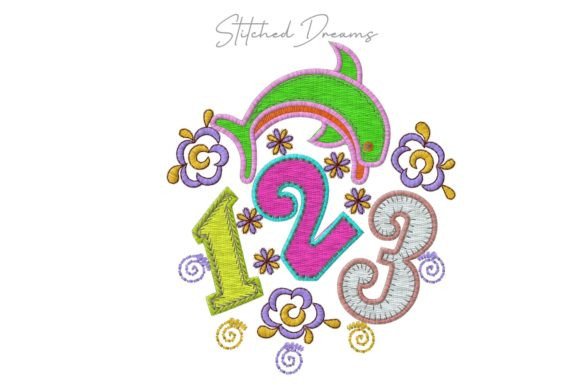
As an embroidery designer who has spent years digitizing files and consulting with small business owners, I approach every new machine embroidery design with a critical eye. It is not enough for a file to look cute on a screen; it must perform under the needle, withstand washing, and elevate the brand it represents. Recently, I evaluated the 123 Embroidery Design, a digital asset that merges numerical elements with playful fish motifs. While categorized under Animal Quotes, this piece serves a broader purpose for educational brands, children’s boutiques, and creative studios looking to add a whimsical touch to their small business merch.
First Impressions and Visual Personality
The immediate impression of the 123 Embroidery Design is one of approachable charm. The combination of numbers and aquatic life creates a narrative that is both educational and decorative. For a professional embroiderer, the visual balance between the rigid structure of numerals and the organic curves of fish is crucial. This design leans heavily into a playful, handmade aesthetic rather than a corporate or minimalist style. It feels friendly and inviting, which makes it an excellent candidate for businesses that want to project warmth and creativity.
However, from a technical standpoint, the interplay of text and imagery requires careful attention to thread colors. The success of this design relies on high contrast to ensure the numbers remain legible while the fish retain their character. If you are planning to use this for custom apparel, consider how the color palette aligns with your client’s brand identity. A muted, rustic palette might soften the look for a boutique nursery, while bright primaries will amplify its educational appeal for schools or daycare centers.
Real-World Applications for Branded Merchandise
When considering where to place this design, versatility is key. I tested the concept of using the 123 Embroidery Design across various substrates common in the embroidery industry. Here is how it performs in specific business scenarios:
- Embroidered Patches: This is perhaps the strongest application. A well-digitized version of this design can serve as a standout patch for tote bags or backpacks. The distinct shapes of the fish and numbers allow for clean satin stitch borders, making the patch durable and visually striking.
- Apron Embroidery: For bakeries, florists, or art studios offering workshops, this design works beautifully on the bib of an apron. It adds a personal, handmade touch that customers appreciate, enhancing the perceived value of the service or product.
- Cap Embroidery: Using this on the front panel of a cap requires caution due to the curved surface. However, if scaled correctly, it can serve as a charming accent for staff uniforms in family-oriented businesses. Ensure the hoop size accommodates the width without distorting the numbers.
- Tote Bag Design: Canvas totes are a staple for retail shops. Placing this design centrally creates a functional piece of art. The sturdy nature of canvas supports the stitch density required for the fish details, resulting in a premium finished product.
For Etsy sellers and crafters, this digital embroidery file can be marketed as part of a back-to-school collection or a nursery decor line. It transforms simple items into meaningful gifts, driving buyer engagement through emotional connection.
Technical Considerations and Production Challenges
While the aesthetic is appealing, production realities must be addressed. Not every fabric or garment is suitable for this level of detail. When working with fabric texture such as terry cloth or heavy denim, the fine lines of the fish fins or the serifs of the numbers may get lost. I recommend testing the design on a similar material to your final product before committing to a large run.
Stitch density is another critical factor. If the original file has high density to create smooth fills, it may cause puckering on lightweight fabrics like cotton jersey. Always use an appropriate stabilizer—cut-away for stretchy materials and tear-away for stable wovens. Additionally, if you are resizing the design, be mindful of tiny lettering. Shrinking the numbers too much can make them illegible, turning a professional asset into a blurry mess.
Dark uniforms present another challenge. If the design relies on light thread colors for the fish, ensure you have a solid underlay or consider using a white backing patch to make the colors pop. This step is essential for maintaining brand identity and ensuring the logo is recognizable from a distance.
Enhancing Brand Identity and Customer Trust
In the world of commercial embroidery, consistency builds trust. Using a cohesive set of design assets helps customers recognize your brand instantly. The 123 Embroidery Design can be part of a larger visual system. For example, a children’s clothing brand might use this design on tags, packaging inserts, and the garments themselves. This repetition reinforces professionalism and attention to detail.
Moreover, handmade products carry an inherent value proposition. When a customer sees intricate embroidery rather than a printed logo, they perceive higher quality. This design, when executed well, signals that the business cares about craftsmanship. It turns a standard item into a collectible piece, encouraging social sharing and word-of-mouth marketing.
Practical Designer Notes for Implementation
Before you load this file into your machine, follow these practical steps to ensure success:
- Test in Black and White: Remove color variables to check if the shape and spacing are clear. If the design loses definition without color, it may need editing or simplification.
- Check Scale: Verify that the design fits within your intended hoop size without exceeding the maximum dimensions of your machine. Create a printable mockup to visualize the placement on the garment.
- Review Licensing: Always confirm the commercial licensing terms of the embroidery file. Ensure you have the right to use it for sold goods, especially if you are producing items for third-party clients.
- Inspect Thread Contrast: Choose thread colors that stand out against the fabric. Avoid low-contrast combinations unless aiming for a subtle, tonal effect.
- Compare Assets: Place this design beside your other branding elements. Does it complement your existing logo? Visual consistency is vital for a polished brand presentation.
In conclusion, the 123 Embroidery Design offers a delightful blend of education and whimsy that can significantly enhance small business merch. Whether used for apron embroidery, branded patches, or nursery decor, it has the potential to engage customers and elevate product value. However, its success depends on thoughtful execution. By paying attention to technical details like stabilizer choice, stitch density, and fabric compatibility, you can transform this digital asset into a tangible symbol of quality and creativity. For embroidery shops and handmade brands, this design is a versatile tool that, when used wisely, strengthens brand identity and delights end-users.